How Precision Machining Affects the Performance of Fused Quartz and Fused Silica Components
Even the best materials can fail if improperly machined. Precision machining plays a vital role in ensuring fused quartz and fused silica components meet exact specifications and perform as intended.
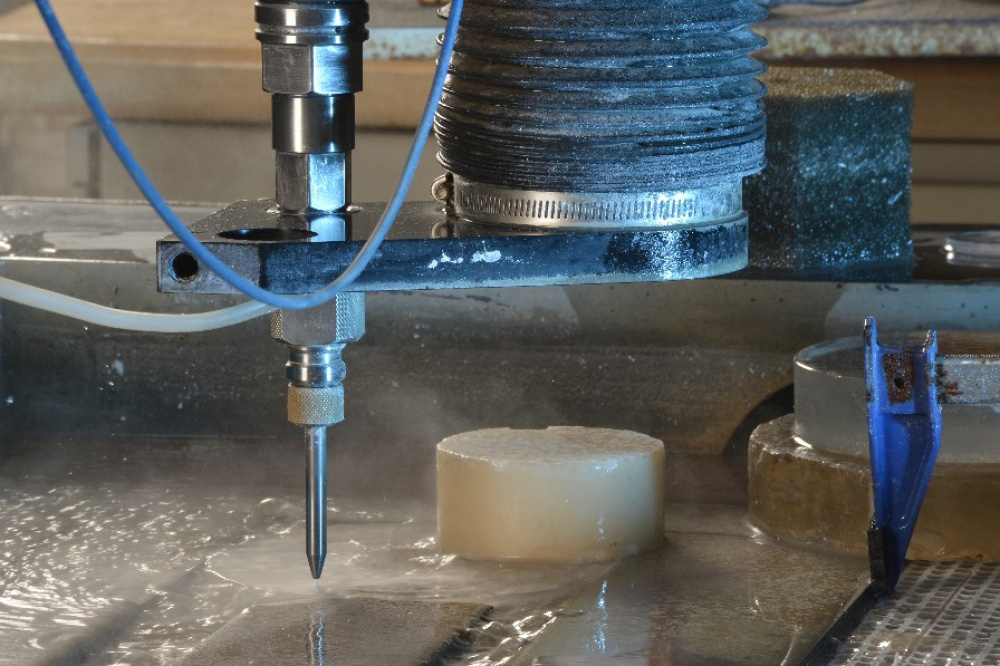
Why Machining Quality Matters
- Surface finish impacts optical performance
- Tight tolerances ensure proper system integration
- Precision reduces stress points and failure risks
Industry Stat: Precision-machined fused quartz components can improve operational lifespan by 20–30% compared to poorly finished alternatives.

Machining Challenges
Fused quartz and fused silica require specialized tooling and expertise due to their hardness and brittleness.
Contact our team today to discuss how precision fused quartz machining can support your next high-performance application.
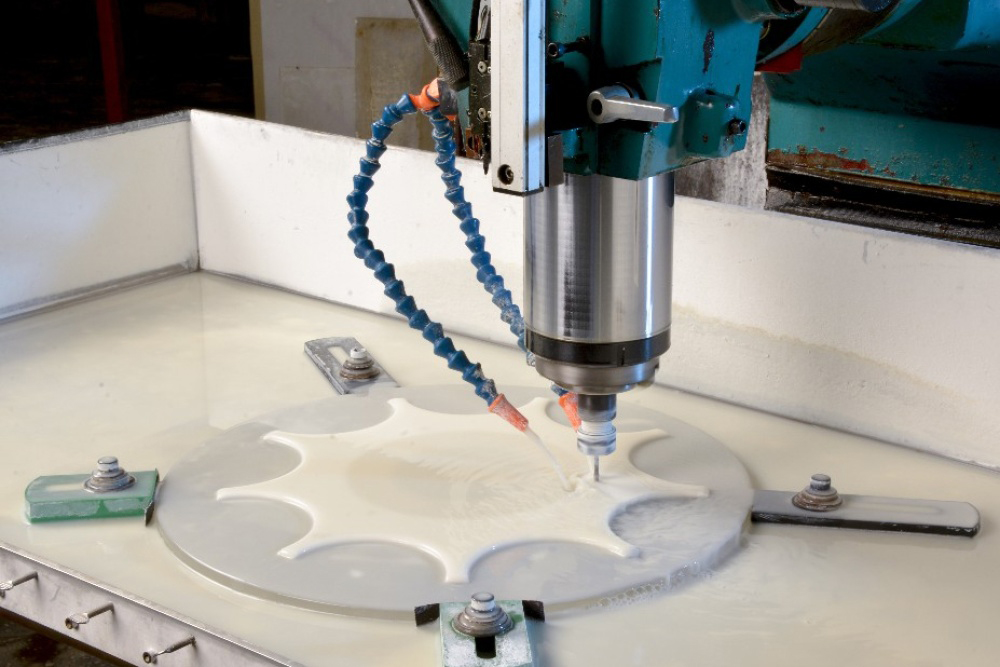
Benefits of Precision Fabrication
- Improved performance consistency
- Reduced downtime and replacement costs
- Enhanced reliability in demanding environments
“I have worked with Dave for a number of years in the quartz industry. He has been the one to go to for all of my quartz machining work. The level of expertise and service is unmatched. Dave provides a level of attention to detail that is very hard to find. I highly recommend Dave and his company, MGS.”
FAQs
Can fused quartz be CNC machined?
Yes, with specialized equipment and expertise.
Does machining affect optical clarity?
Absolutely. Surface finish quality directly influences optical performance.
Why Precision Machining Matters
Precision machining transforms fused quartz and fused silica from raw materials into high-performance components capable of meeting advanced manufacturing demands.

About the Author
Dave Behm, Owner and President of MGS Machined Glass Specialists, brings over three decades of experience in fused quartz and borosilicate glass fabrication. His hands-on leadership and technical expertise have made MGS a preferred partner for engineers, researchers, and manufacturers across North America.
Machined Glass Specialists is a true custom fabricator of quartz, silica, and borosilicate. We've been machining since 1989.
Contact us for help with your next project, 937.743.6166
Clear Fused Quartz Supplier Partners


