Fused Quartz Windows: Applications, Tolerances & Why Precision Matters
When your process runs at 1,200°C, operates under vacuum, or requires UV transmission without distortion, the viewing window in your equipment is not a commodity component. It is a critical engineered part. Fused quartz windows are trusted across the most demanding industrial and scientific applications in the world—and for good reason. Their combination of thermal stability, chemical purity, and optical clarity is unmatched by any other glass material.
At MGS Machined Glass Specialists, we have been fabricating custom fused quartz windows since 1989. In this post, we break down what makes these components so critical, where they are used, and what specifications to consider when sourcing them.
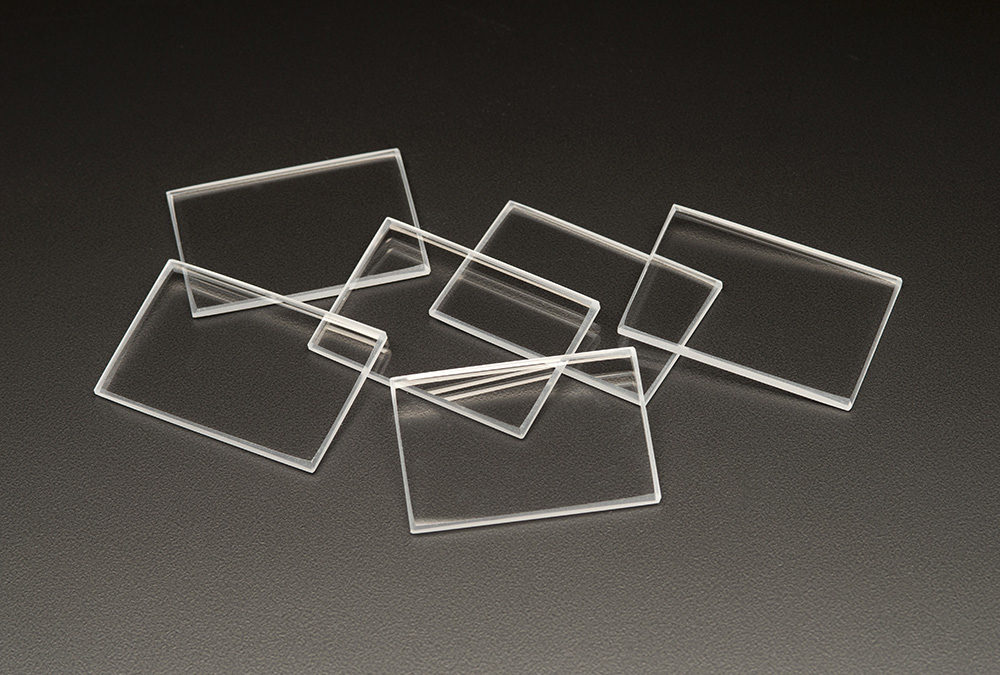
What Is a Fused Quartz Window?
A fused quartz window is a flat or shaped optical-grade component manufactured from high-purity silicon dioxide (SiO₂). Unlike borosilicate glass or soda-lime glass, fused quartz is produced by fusing naturally occurring quartz crystals or synthetic silica at extremely high temperatures—resulting in a non-crystalline, amorphous material with exceptional properties.
Fused quartz windows are specified when standard glass simply cannot perform. They transmit light from the deep UV (about 150 nm) through the visible range and into the near-infrared, making them highly versatile for optical applications. More importantly, they maintain structural integrity at temperatures exceeding 1,000°C and resist thermal shock that would shatter conventional glass instantly.
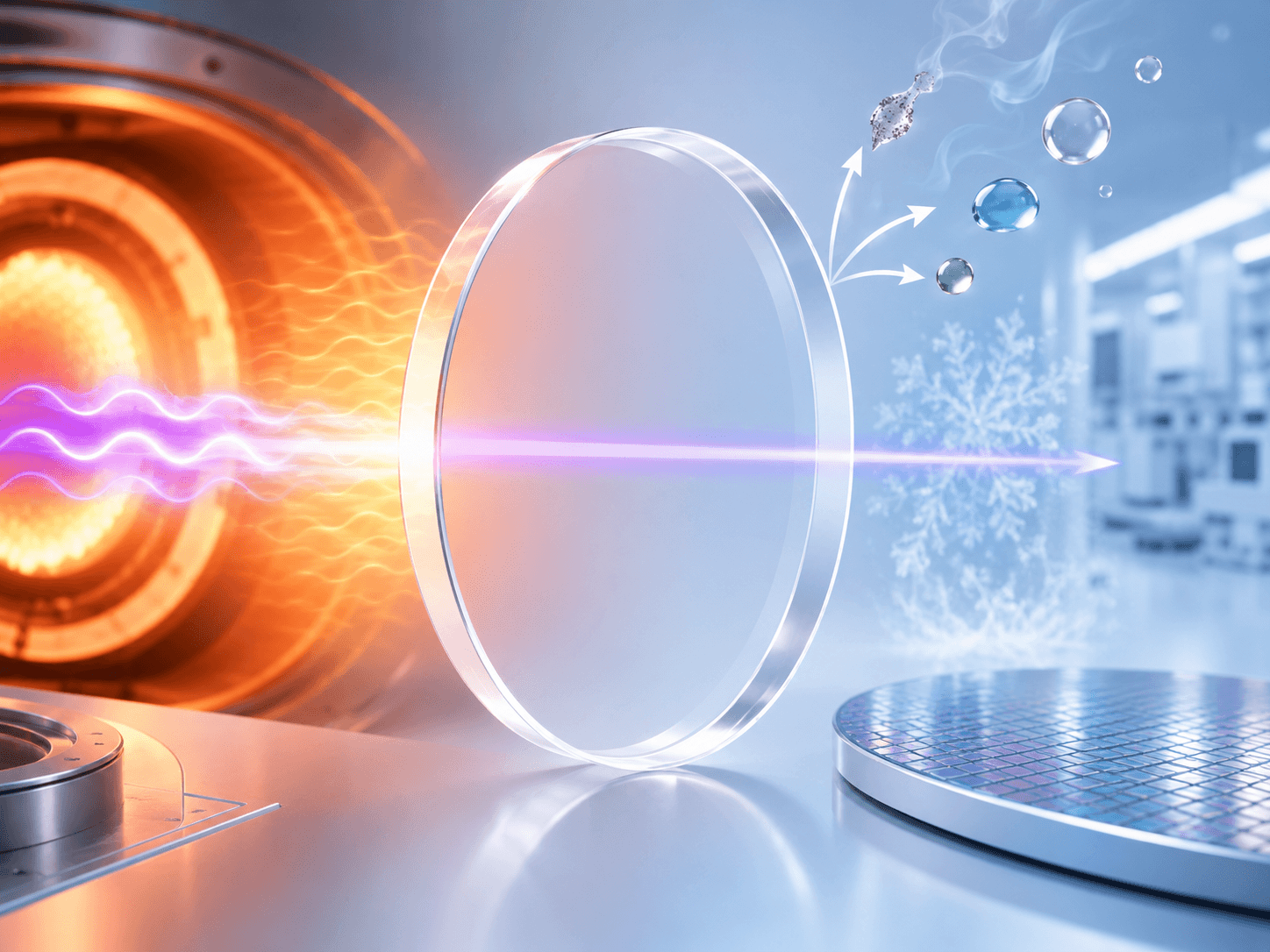
Contact our team today to discuss how precision fused quartz machining can support your next high-performance application.
Key Properties That Drive Specification
Engineers choose fused quartz windows because of a specific combination of performance characteristics that no other material offers in a single package:
- Thermal Stability: Fused quartz retains its shape and optical properties up to approximately 1,050°C for sustained use, with short-term exposure ratings even higher.
- Low Thermal Expansion: With a coefficient of thermal expansion (CTE) of approximately 0.55 × 10⁻⁶/°C, fused quartz is extremely resistant to thermal shock. It can go from room temperature to 1,000°C and back without cracking.
- Broad UV Transmission: Unlike standard borosilicate glass, which blocks UV below ~300 nm, fused quartz transmits wavelengths down to approximately 150 nm—essential for UV curing, plasma monitoring, and spectroscopic applications.
- Chemical Resistance: Fused quartz is inert to most acids and resists contamination in ultra-clean environments such as semiconductor fabrication.
- High Purity: Premium fused quartz contains fewer metallic impurities than virtually any other glass material, making it suitable for use in sensitive analytical and semiconductor processes.
Where Are Fused Quartz Windows Used?
The industries that rely on fused quartz windows share a common requirement: they need a transparent barrier that will not fail, contaminate, or distort under extreme conditions.
Semiconductor Manufacturing
Quartz windows are integral to diffusion furnaces, rapid thermal processing (RTP) equipment, and plasma etch chambers. They allow process engineers to visually or optically monitor high-temperature reactions while maintaining chamber integrity and contamination control.
Industrial Furnace and Kiln Observation
Sight glass applications in industrial furnaces, kilns, and combustion chambers require windows that can withstand continuous high-heat exposure and thermal cycling. Fused quartz sight ports provide clear visibility without deforming or discoloring over time.
UV Processing Equipment
UV curing systems, sterilization chambers, and photolithography tools all require windows that transmit UV without absorption or degradation. Fused quartz is the standard choice because synthetic alternatives are expensive, and standard glass is simply unusable in this wavelength range.
Aerospace and Defense
Sensor windows, laser optics, and instrument viewports in aerospace and defense applications must survive extreme temperature gradients, pressure differentials, and radiation exposure. The dimensional stability and optical clarity of fused quartz make it a consistent specification across these programs.
Laboratory and Analytical Instruments
Spectrophotometers, fluorescence systems, plasma diagnostic tools, and high-vacuum chambers all use fused quartz windows to allow light transmission into or out of the instrument’s controlled environment.
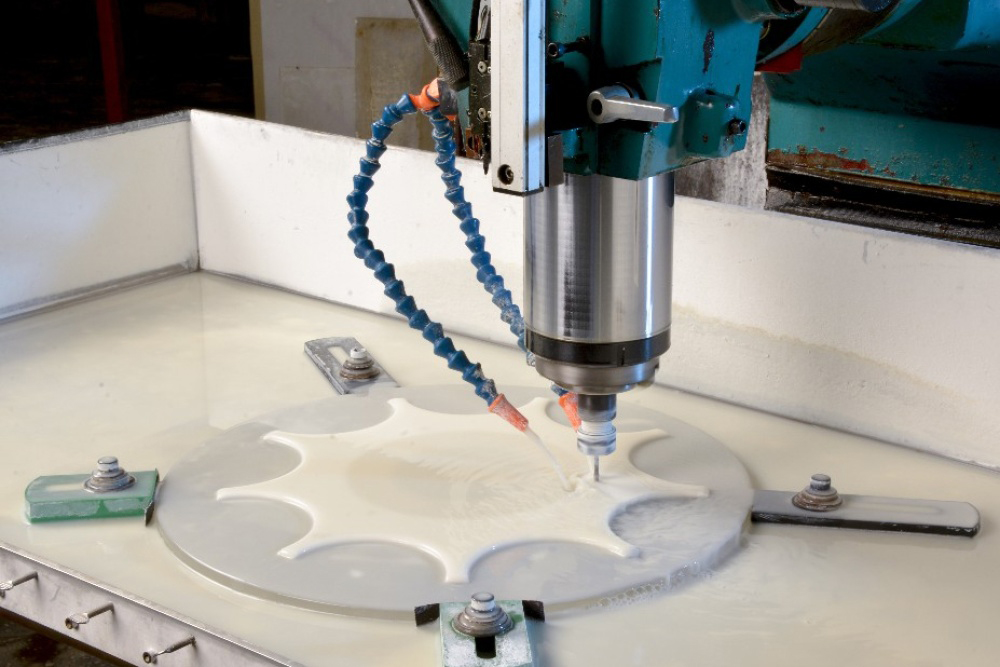
Tolerances and Specifications to Know
Precision matters in fused quartz windows. A window that is slightly out of flat, has subsurface damage from poor grinding, or is sized incorrectly can compromise your entire process. Here are the key specifications to consider when sourcing:
| Specification | Typical Range | Why It Matters |
| Flatness | λ/4 to λ/10 or better | Affects optical transmission and sealing performance |
| Surface Finish (Ra) | < 5 Å for optical, < 20 Å for sight glass | Reduces light scatter; improves sealing integrity |
| Thickness Tolerance | ±0.1 mm to ±0.025 mm | Critical for fitting into precision housings |
| Diameter/Edge Tolerance | ±0.1 mm to ±0.025 mm | Ensures proper seating and sealing in flanged assemblies |
| Parallelism | < 1 arcminute for optical use | Prevents beam deviation in optical path applications |
| Surface Quality | 20-10 to 80-50 scratch-dig | Defines allowable surface defects per MIL-PRF-13830B |
Custom vs. Standard: Why Custom Fabrication Usually Wins
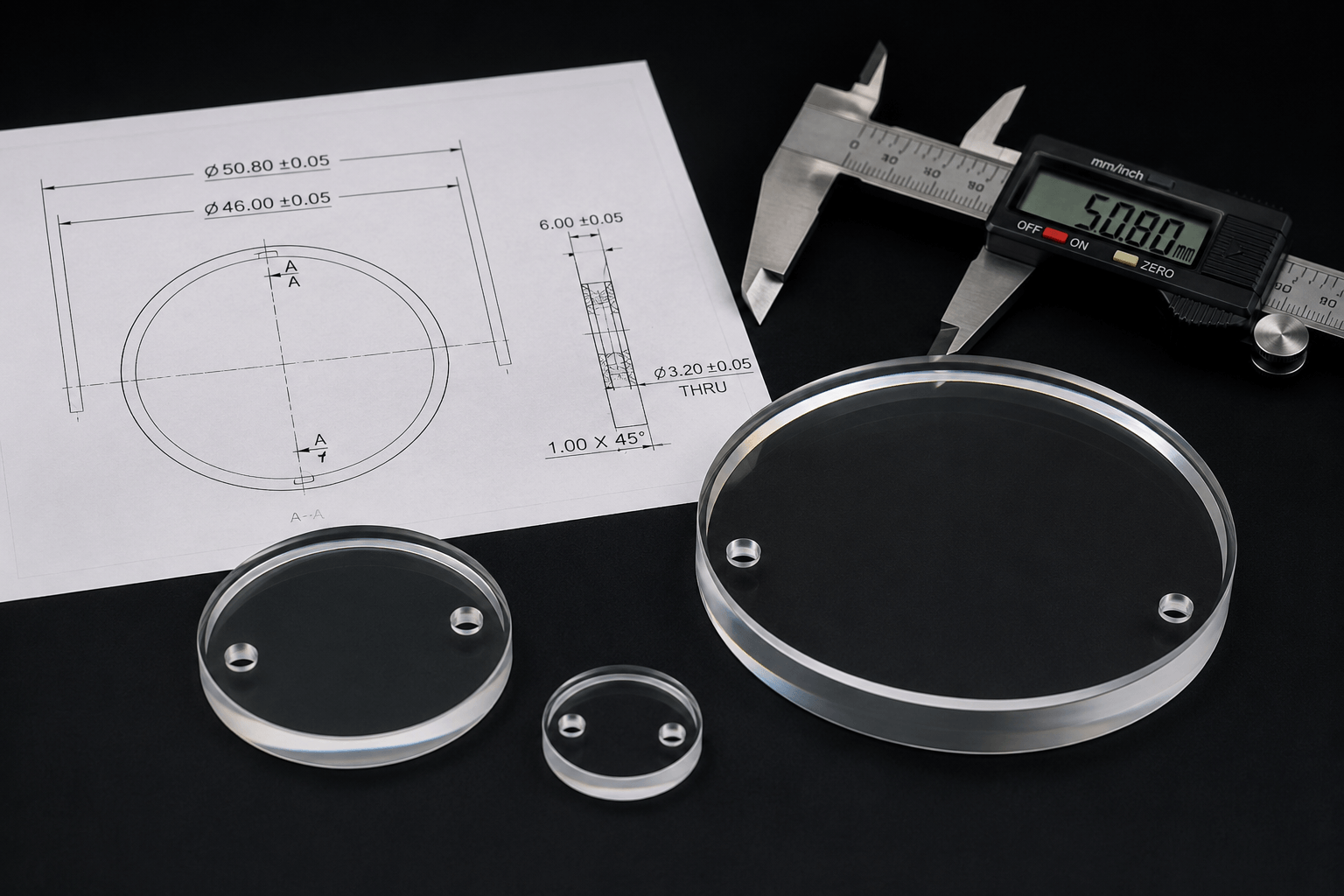
Many engineers start their search looking for an off-the-shelf quartz window that fits their requirements. In practice, standard catalog sizes rarely match the precise dimensions, tolerances, or surface quality required for high-performance applications. Edge profiles, drilled holes, polished bevels, and specific thickness callouts all push standard product well outside its specifications.
Custom-fabricated fused quartz windows, produced by a machining specialist with the right equipment and process controls, deliver exactly what your design requires—without compromise. At MGS, we work from customer drawings and can hold the tight tolerances that OEM and research applications demand.
“I have worked with Dave for a number of years in the quartz industry. He has been the one to go to for all of my quartz machining work. The level of expertise and service is unmatched. Dave provides a level of attention to detail that is very hard to find. I highly recommend Dave and his company, MGS.”
Working With MGS on Your Fused Quartz Windows
MGS Machined Glass Specialists has been a trusted custom fabricator of fused quartz components for more than 35 years. Our team works directly with engineers to understand application requirements—temperature, pressure, optical path, sealing method, and more—and then produces windows that perform exactly as specified.
We source raw material from leading suppliers including Heraeus, Tosoh, and Momentive to ensure consistent purity and material properties. Our in-house machining, grinding, and polishing capabilities allow us to hold tight tolerances while maintaining the surface integrity that precision optical and industrial applications require.
Whether you need a single prototype or production quantities, MGS is your partner for fused quartz windows built to perform.
Ready to discuss your project?
Contact MGS at (937) 743-6166 or request a quote online at mgsfusedquartz.com.

About the Author
Dave Behm, Owner and President of MGS Machined Glass Specialists, brings over three decades of experience in fused quartz and borosilicate glass fabrication. His hands-on leadership and technical expertise have made MGS a preferred partner for engineers, researchers, and manufacturers across North America.
Machined Glass Specialists is a true custom fabricator of quartz, silica, and borosilicate. We've been machining since 1989.
Contact us for help with your next project, 937.743.6166
Clear Fused Quartz Supplier Partners


